/filters:format(jpeg,png)/fit-in/300x300/guide_websites/2295/images/huston-logo.jpg)
/filters:format(jpeg,png)/fit-in/237x80/guide_websites/2295/images/huston-logo.jpg)
Speckled Trout Fishing in Crystal River: The Ultimate Angling Guide
%2Ffit-in%2F1000x1000%2Ffilters%3Aformat(webp)%2Fusers%2F55aa61e4-e6f0-4d2c-8129-eaa0a80f506e%2Fprofile%2F1663148774482.jpeg&w=1920&q=75)
Published: September 10, 2026
Florida is renowned across the globe for its spectacular maritime opportunities, but tucked away on the western edge of the state lies an environment that remains wonderfully wild and unspoilt. The Nature Coast is an ecological marvel, defined by lush mangrove islands, expansive seagrass meadows, and subterranean freshwater springs that merge with the sprawling saltwater flats of the Gulf of Mexico. Within this incredibly vibrant and diverse estuary system, one specific gamefish stands out as an absolute favourite among both seasoned sportsmen and novice anglers alike: the speckled trout.
Also known as the spotted sea trout, this aggressive and visually striking predator is the undisputed staple of the shallow coastal flats. Targeting speckled trout provides a consistently thrilling experience, characterised by explosive surface strikes, stunning acrobatic head-shakes, and remarkably beautiful surroundings. Whether you are drifting silently over a pristine grass flat during the warmth of spring or navigating deep into a winding backcountry bayou during a brisk winter morning, pursuing these fish offers an unparalleled connection to the local environment. Because they are abundant throughout the calendar year and highly willing to strike a variety of natural and artificial baits, they are the perfect target for anyone enjoying fishing crystal river. This comprehensive guide details everything you need to know to master the art of catching speckled trout, from understanding their seasonal movements to selecting the most effective tackle and locating the most productive waters.
Understanding the Speckled Trout
Before stepping aboard a charter vessel, taking the time to understand the unique characteristics of your target species drastically enhances the overall experience. The speckled trout is a truly remarkable creature that commands immense respect from marine biologists and dedicated sportsmen. Their specific physical adaptations, predatory habits, and the distinct environments they inhabit make them a unique and highly engaging challenge. By learning how these apex predators operate in the wild, you will be much better prepared for the sudden, thrilling excitement of a heavy strike.
Biological Traits and Predatory Behaviour
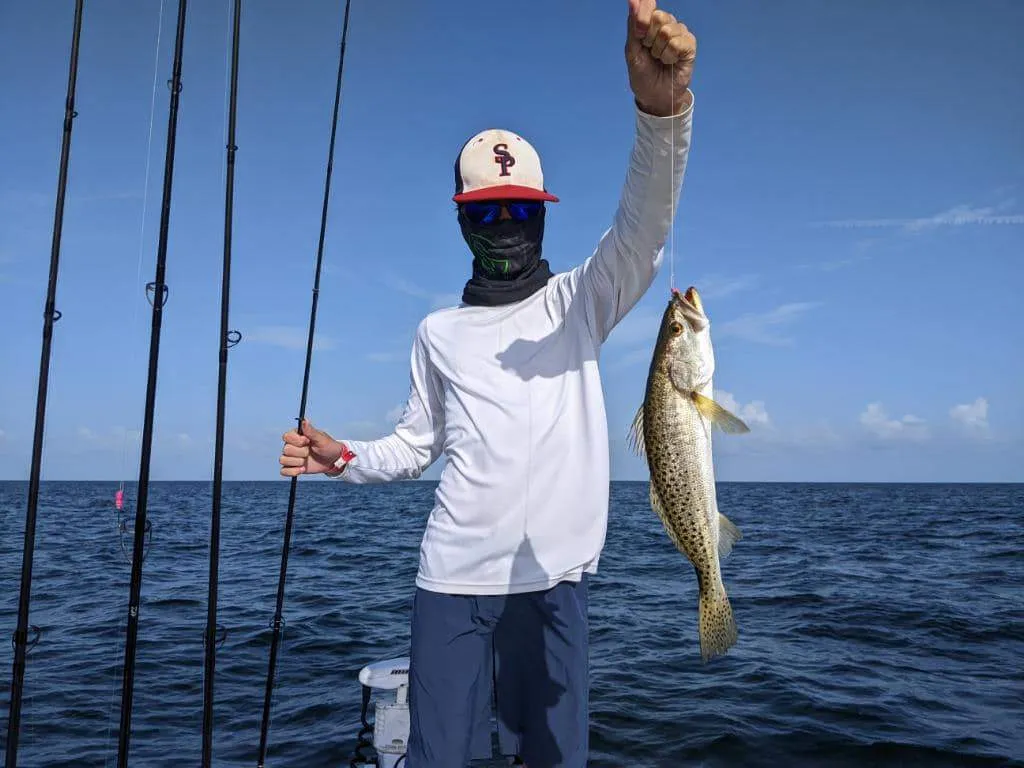
Despite its common name, the speckled trout is actually a member of the drum family, closely related to the redfish and the black drum. They are easily identified by their elongated, silver bodies, dark grey or olive backs, and the distinct scattering of prominent black spots extending across their upper flanks and dorsal fins. A key physical trait that dictates their feeding behaviour is their prominent set of canine-like teeth, which they use to grasp and hold fast-moving baitfish and crustaceans.
They are highly aggressive ambush predators that rely heavily on their excellent vision. Unlike bottom-feeding species that scavenge for food, trout actively hunt within the middle to upper sections of the water column. They prefer to position themselves near the edges of seagrass beds, deep sandy potholes, or moving tidal currents, waiting to intercept disoriented baitfish drifting past. When a trout decides to strike, it does so with astonishing ferocity, frequently resulting in a visually spectacular surface explosion that adrenaline-seeking anglers absolutely live for.
Why the Nature Coast is the Perfect Habitat
The southern coastal waters of the United States provide varied habitats, but the specific geography of Citrus County is arguably the most perfect environment for speckled trout to flourish. The defining characteristic of this region is the massive, constant influx of pure, fresh water from subterranean springs. This steady flow maintains a remarkably stable temperature throughout the entire year, creating a vital thermal refuge during extreme weather fluctuations.
As these winding freshwater rivers empty into the saltwater expanse of the Gulf of Mexico, they create a sprawling, nutrient-rich mixing zone. The continental shelf on this particular stretch of the state features an incredibly gradual slope, resulting in miles upon miles of shallow saltwater flats heavily blanketed in dense seagrass. These grass flats act as a massive nursery for shrimp, crabs, and baitfish, providing an endless, year-round buffet for the trout. The sheer density of this food source is exactly why fishing in crystal river florida is one of a kind, ensuring that the local trout populations remain incredibly robust and healthy.
The Seasonal Movements of Trout in the Estuary
Timing is a critical component when planning a successful coastal holiday. While the tropical waters remain inviting throughout the entire year, the concentration of trout and their preferred hunting grounds shift based on seasonal weather patterns and fluctuating water temperatures. Aligning your strategies with these natural rhythms ensures you maximise your time on the water and dramatically increases your chances of a highly productive day.
Spring and Summer: The Grass Flats Activity
As the brief Florida winter recedes and the waters begin to warm steadily, the entire estuary system experiences a massive burst of biological activity. During the spring months, the expansive seagrass beds flourish, drawing immense schools of baitfish out of the deep channels and onto the shallow flats. The speckled trout follow this food source aggressively. Spring is widely considered one of the most exciting times for targeting these fish, as they congregate in massive numbers over the mottled grass flats in three to six feet of water.
During the intense heat of the tropical summer, the shallow flats can become exceptionally warm by mid-afternoon, causing the fish to become slightly sluggish. To secure the best catches, seasoned captains prefer to launch their vessels at dawn. The early morning hours offer phenomenal, fast-paced action before the sun climbs high. By midday, many anglers shift their focus to deeper water or shaded mangrove edges where the temperatures remain slightly more stable.
Autumn and Winter: The Backcountry Retreat
As the intense summer heat finally breaks and the first cool fronts push through the region, the coastal waters experience a dramatic transformation. Autumn is a golden window for sportsmen, offering incredibly comfortable weather and an aggressive feeding frenzy as trout prepare for the impending winter. They feed heavily on migrating baitfish, striking artificial lures with incredible violence.
When severe winter cold fronts eventually drop the temperature of the open Gulf, massive numbers of trout retreat inland towards the spring-fed rivers. Because the subterranean springs pump water at a constant, moderate temperature year-round, the rivers become a warm-water sanctuary. During these chilly months, focusing your efforts on deep limestone holes, residential canals, and the mouths of the springs will yield the best results. Slowing down your presentation and thoroughly working the deeper channels is the ultimate secret to consistent winter success.
Essential Tackle and Gear for Targeting Trout
Having the correct gear is only half the equation; understanding how to effectively present the bait and read the water is what separates a frustrating day from a triumphant one. Trout are visually oriented predators with somewhat delicate mouths, requiring a slightly different tactical approach than heavy-lifting reef species.
Rods, Reels, and Line Selection
For targeting speckled trout, keeping your equipment light and sensitive is absolutely paramount. A medium-light or medium-action spinning rod measuring seven to seven-and-a-half feet is the perfect all-around choice. This versatile setup provides the flexibility needed to cast lightweight lures long distances, while absorbing the energetic, thrashing head-shakes that trout are famous for.
Pair the rod with a 2500 or 3000-series spinning reel spooled with ten to fifteen-pound braided mainline. The braided line offers zero stretch, providing incredible sensitivity to feel the subtlest of strikes. Because the local waters are exceptionally clear, attaching a three-foot section of fifteen to twenty-pound fluorocarbon leader is highly recommended. The fluorocarbon remains virtually invisible underwater, ensuring that line-shy trout are not spooked by your presentation.
The Magic of the Popping Cork and Live Bait
While experienced sportsmen love the challenge of working complex artificial lures, one of the most effective and universally proven methods for catching trout is using a live shrimp suspended beneath a popping cork. This rig is arguably the greatest setup ever invented for shallow coastal flats. The brightly coloured foam cork features a cupped face that, when twitched aggressively by the angler, produces a loud splashing sound.
This sound mimics a surface-feeding predator, instantly drawing the attention of nearby trout. When the trout investigates the commotion, it discovers a perfectly presented live shrimp dangling helplessly below. The cork also serves as a brilliant visual indicator; the moment it plunges beneath the surface, the angler knows it is time to reel quickly to set the hook. This method is incredibly productive and is brilliant for beginners and children.
Artificial Lures and Soft Plastics
For those who prefer a highly active, hands-on approach, speckled trout are incredibly willing to strike a massive variety of artificial lures. Soft plastic paddle-tail jigs retrieved slowly just above the submerged seagrass are highly lethal, imitating fleeing baitfish perfectly. Suspending twitch baits and shallow-diving plugs are also fantastic choices, particularly during the autumn months when the fish are highly aggressive.
Perhaps the most exhilarating method is casting topwater lures during the early morning hours. "Walking the dog" with a noisy surface plug across a calm grass flat frequently results in explosive, heart-stopping surface strikes that visually define the very essence of shallow-water sport.
Best Locations for Trout on the Nature Coast
The sheer variety of aquatic habitats accessible within a short boat ride is truly remarkable, meaning that no two days on the water are ever exactly alike. Knowing exactly where to cast your line requires a profound understanding of the tidal movements and the unique structures that attract these predatory fish.
The Sprawling Coastal Seagrass Meadows
Located just south of the main river mouths, the sprawling flats surrounding the Ozello archipelago and the nearshore Gulf are a trout angler’s dream. This vast, incredibly shallow area consists of thousands of small mangrove islands surrounded by lush, vibrant seagrass meadows. The key to finding trout in this expansive environment is locating irregularities in the grass. Sandy potholes, deep tidal cuts, and the edges of prominent oyster bars act as natural ambush points. Drifting silently over these mottled flats while fan-casting is the most effective way to locate actively feeding schools.
Kings Bay and the Spring-Fed Rivers
As the water temperatures dictate their movements, the trout frequently migrate into the protected interior waterways. Kings Bay and the winding Salt River are legendary holding grounds for enormous, trophy-sized speckled trout, often referred to locally as "gator trout." Navigating these backcountry creeks requires intimate local knowledge, as the jagged oyster bars can be entirely exposed during a falling tide. Anglers frequently utilise stealthy tactics, silently poling their vessels along the mangrove shorelines to pitch live bait or soft plastics directly into the deep channels and swirling eddies where the largest fish lie in wait. To familiarise yourself with the diverse species occupying these zones alongside the trout, reviewing a detailed crystal river fishing and hunting species guide is highly recommended.
Combining Your Trout Trip with Other Activities
While catching a limit of beautiful speckled trout is a spectacular achievement, a truly memorable coastal holiday should encompass a variety of outdoor experiences. The Nature Coast offers a wealth of activities that perfectly complement a morning spent on the water, ensuring that every member of your party remains thoroughly entertained.
Family-Friendly Coastal Harvesting
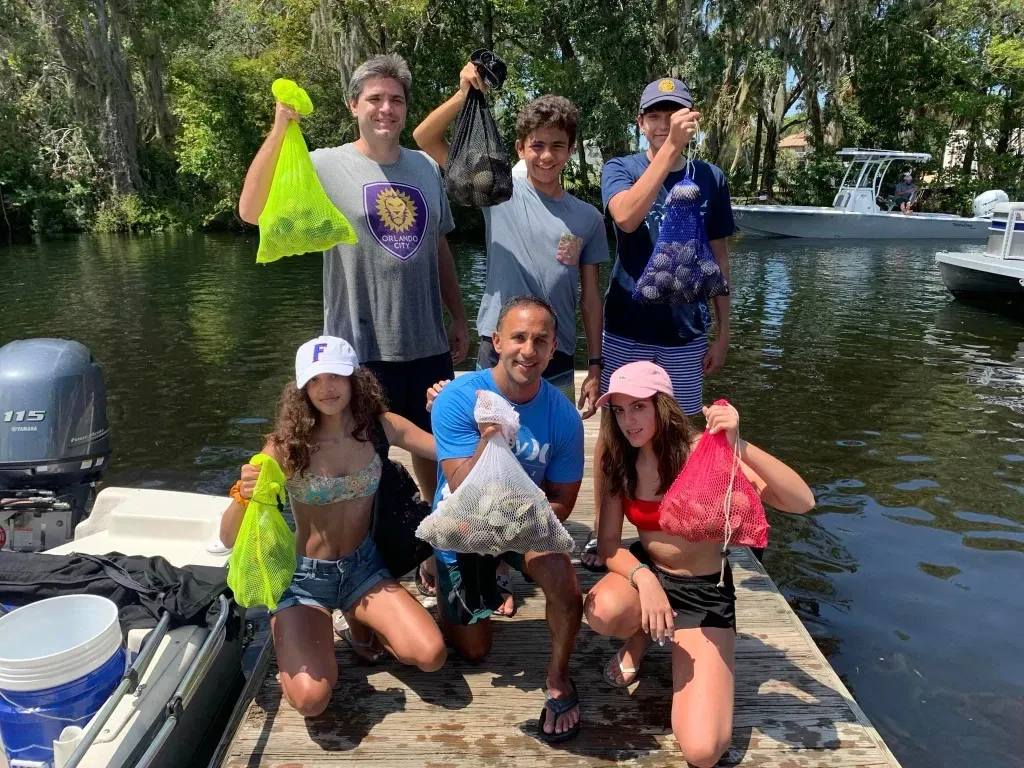
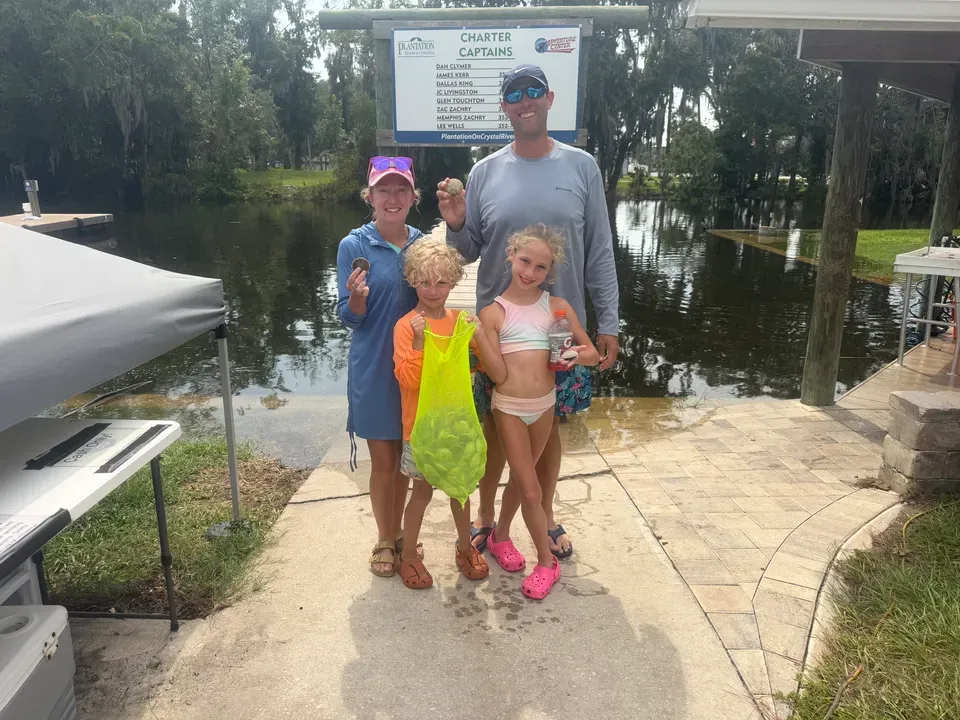
If you are visiting during the warm summer months, participating in the annual bay scallop harvest is an absolute must. For many families, scalloping in crystal river is the highly anticipated highlight of the entire year. This joyous, relaxing activity involves snorkelling over the shallow, pristine seagrass beds to collect delicious bivalves by hand. It requires no prior angling experience and is brilliantly suited for young children, providing a refreshing, active alternative to casting a rod in the midday heat. Many visitors opt for a combination trip, spending the cool morning hours battling trout and the warm afternoon harvesting scallops.
Terrestrial Exploration and Wildlife
When you are ready for a break from the boat, the surrounding community offers incredible terrestrial excursions. If you are searching for engaging things to do in crystal river, exploring the beautiful Homosassa Springs Wildlife State Park or scheduling a manatee viewing tour provides brilliant opportunities to observe Florida's unique wildlife up close. The region is rich in natural beauty, and blending your maritime adventures with eco-tours or exploring the historic downtown area ensures a perfectly balanced and deeply satisfying holiday itinerary.
Elevate Your Adventure with Huston’s Outdoor Adventures
To truly unlock the vast potential of this diverse estuary system, partnering with a knowledgeable, experienced local professional is paramount. Attempting to navigate the treacherous shallow limestone rocks, interpret the subtle tidal movements, and locate the hidden backcountry creeks independently can lead to immense frustration. The single greatest investment you can make for your holiday is securing the services of a dedicated local outfitter who intimately understands the daily rhythms of the coast.
Operating as a premier local guide service, Huston's Outdoor Adventures delivers bespoke, five-star maritime experiences across the region. Led by Captain Dave Huston, this elite operation provides a safe, comfortable platform for families, beginners, and seasoned experts alike. His profound local expertise ensures that you are always positioned exactly where the fish are holding, maximising your active fishing time.
Expert Guidance for Unmatched Success
When you rely on the best fishing guides crystal river florida has to offer, you instantly bypass the steep learning curve. Captain Dave acts as your personal maritime instructor, patiently teaching you the correct casting mechanics and expertly manoeuvring the vessel to ensure you have the best possible chance of success. Whether you are looking for dedicated crystal river fishing charters to target trophy trout, or you want to arrange a thrilling family combination trip, the team supplies all the premium tackle, fresh bait, and state licensing required. You simply need to arrive at the dock ready for an unforgettable adventure.
Conclusion
Targeting speckled trout in the breathtaking estuaries of the Nature Coast is an experience that perfectly encapsulates the thrill of shallow-water angling. From the explosive surface strikes over the pristine seagrass meadows to the quiet, tactical pursuit in the winding backcountry bayous, every moment on the water is packed with pure excitement. By aligning your travel dates with the seasonal migrations, understanding the critical importance of tidal movements, and relying on the unparalleled expertise of a world-class local captain, you guarantee a safe, comfortable, and triumphant outdoor holiday. The estuary is teeming with life, and the professional crews operating the top fishing charters crystal river can provide are ready to welcome you aboard. Gather your family, check the seasonal availability, and Book Now to secure your ultimate coastal expedition today.
Frequently Asked Questions (FAQs)
1. Do I need to possess a Florida fishing licence before my charter?
No. When you book a guided excursion with a commercially licensed professional, their master vessel licence legally covers every paying passenger on board. You are fully compliant with state regulations for the duration of the trip without needing to purchase an individual recreational permit prior to your arrival.
2. What should I pack for a day targeting speckled trout?
Guests should wear comfortable, lightweight, moisture-wicking clothing and non-marking deck shoes. It is highly recommended to bring a wide-brimmed hat, reef-safe sunscreen, and a pair of high-quality polarised sunglasses to cut through the water’s surface glare, allowing you to clearly see the underwater seagrass beds.
3. Are the local charters suitable for absolute beginners?
Yes, absolutely. The calm, shallow waters of the estuary are perfect for those prone to motion sickness, and a professional crystal river fishing guide is an exceptionally patient instructor. They handle all the complex rigging, baiting, and boat positioning, ensuring that novices feel entirely safe and successful on the water.
4. Can we keep the speckled trout we catch during the trip?
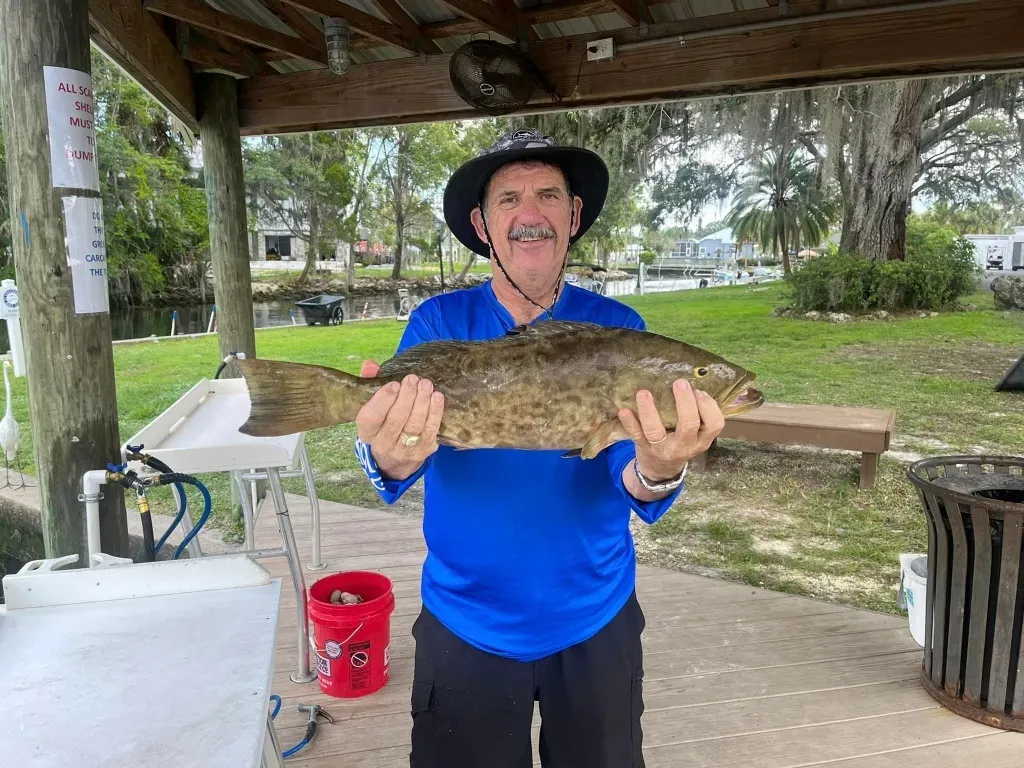
Yes, guests are strongly encouraged to keep their harvest, provided the catch meets all the strict state sizing and seasonal bag limit regulations. Speckled trout are highly regarded for their delicious, flaky white meat. Following a successful charter, your captain will provide complimentary catch cleaning and filleting services back at the dock.
5. What is the most effective bait for catching speckled trout?
While they readily strike artificial lures such as soft plastic paddle-tails and topwater plugs, the absolute most consistent and universally effective bait is a live shrimp suspended beneath a popping cork. This rig creates a surface commotion that attracts the trout, leading them directly to the natural bait below.